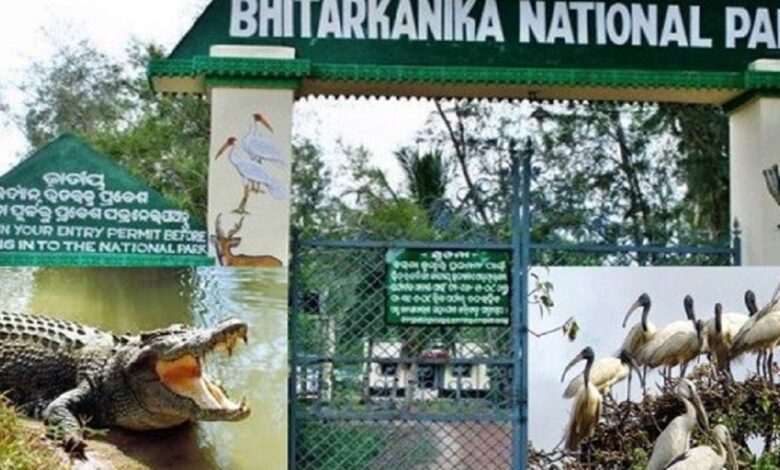
Bhitarkanika National Park, renowned for its rich biodiversity and extensive mangrove forests, is currently under threat from Cyclone Dana. The cyclone, expected to make landfall between Bhitarkanika and Dhamra port, has put the region on high alert. This article explores the preparations, potential impact, and the unique role of mangroves in mitigating cyclone damage.
Main Points
- 1 Cyclone Dana Approaches
- 2 Mangroves: Nature’s Defense Mechanism
- 3 Preparations and Response
- 4 Impact on Wildlife and Local Communities
- 5 Expert Opinions and Analysis
- 6 Historical Context and Previous Cyclones
- 7 Community and Government Initiatives
- 8 The Role of Technology in Disaster Management
- 9 Environmental Impact and Conservation Efforts
Cyclone Dana Approaches
Cyclone Dana, which has intensified into a severe cyclonic storm, is set to cross the north Odisha and West Bengal coasts between Puri and Sagar Island. With wind speeds reaching up to 120 km/h and gusts of 110 km/h, the cyclone poses a significant threat to the region. The India Meteorological Department (IMD) has issued warnings for heavy rainfall, storm surges, and potential flooding.
Mangroves: Nature’s Defense Mechanism
Bhitarkanika’s mangrove forest, spanning nearly 200 square kilometers, acts as a natural barrier against cyclonic winds and tidal surges. The dense mangrove cover helps reduce wind velocity and prevents the ingress of tidal surges, providing a crucial shield to the adjacent coastal areas. Experts believe that the mangroves will play a vital role in minimizing the cyclone’s impact on the region.
Preparations and Response
Local authorities and forest officials have been on high alert, making extensive preparations to mitigate the cyclone’s impact. Five teams have been formed for road clearance, and two rescue teams are on standby to handle any wildlife emergencies, particularly concerning crocodiles and other animals. A divisional control room has been set up to coordinate rescue and relief efforts.
Impact on Wildlife and Local Communities
The cyclone’s landfall is expected to affect the wildlife in Bhitarkanika National Park. While adult birds and deer are likely to move to safer areas, the young birds and crocodiles might face challenges during the high winds and tidal surges. Local communities have been advised to take necessary precautions and evacuate low-lying areas to avoid potential flooding and damage.
Expert Opinions and Analysis
Several experts have weighed in on the situation, highlighting the importance of mangroves in protecting the region. Principal Chief Conservators of Forests (PCCF) Susanta Nanda emphasized that the mangrove forest acts as a biological fence, providing a natural defense against the cyclone. The forest department has issued a Standard Operating Procedure (SOP) to ensure coordinated efforts during the cyclone.
Historical Context and Previous Cyclones
Bhitarkanika has faced cyclones in the past, and the region’s mangrove cover has played a crucial role in reducing the impact of these natural disasters. The mangroves have been instrumental in protecting the coastal areas from tidal surges and wind damage, showcasing the importance of preserving these vital ecosystems.
Community and Government Initiatives
Local communities and government agencies have been working together to prepare for Cyclone Dana. Evacuation plans have been put in place, and emergency helpline numbers have been circulated to ensure timely assistance. The forest department has also taken steps to secure boats and other equipment to prevent damage during the cyclone.
The Role of Technology in Disaster Management
Modern technology plays a crucial role in disaster management and response. Wireless systems, solar lights, and other advanced equipment have been deployed to ensure effective communication and coordination during the cyclone. These technological advancements help in timely rescue and relief operations, minimizing the impact on both wildlife and human settlements.
Environmental Impact and Conservation Efforts
Cyclone Dana’s landfall near Bhitarkanika highlights the need for continued conservation efforts to protect the region’s unique ecosystems. Mangrove forests are not only vital for disaster mitigation but also for maintaining biodiversity and supporting local livelihoods. Conservation initiatives and sustainable practices are essential to preserve these valuable natural resources.